FBA alone is rarely enough for a growing brand. Learn how to combine FBA, third-party logistics and your own warehouse, and where automation creates the most value.
Why FBA alone is often not enough
FBA is an excellent fulfillment option for many sellers, but relying on it exclusively creates risks. Capacity limits can restrict how much inventory you can send, storage fees rise in peak season, and inbound receiving can slow down when volumes are high. A single point of failure in your supply chain is uncomfortable for any growing business.
Multichannel growth adds further pressure. Brands that also sell on their own website, other marketplaces or to wholesale customers need inventory that can serve all channels, not just Amazon.
For these reasons, many established sellers use a hybrid model: a third-party logistics provider (3PL) or own warehouse holds bulk inventory and handles other channels, while FBA is replenished regularly in right-sized shipments.
Designing a hybrid fulfillment network
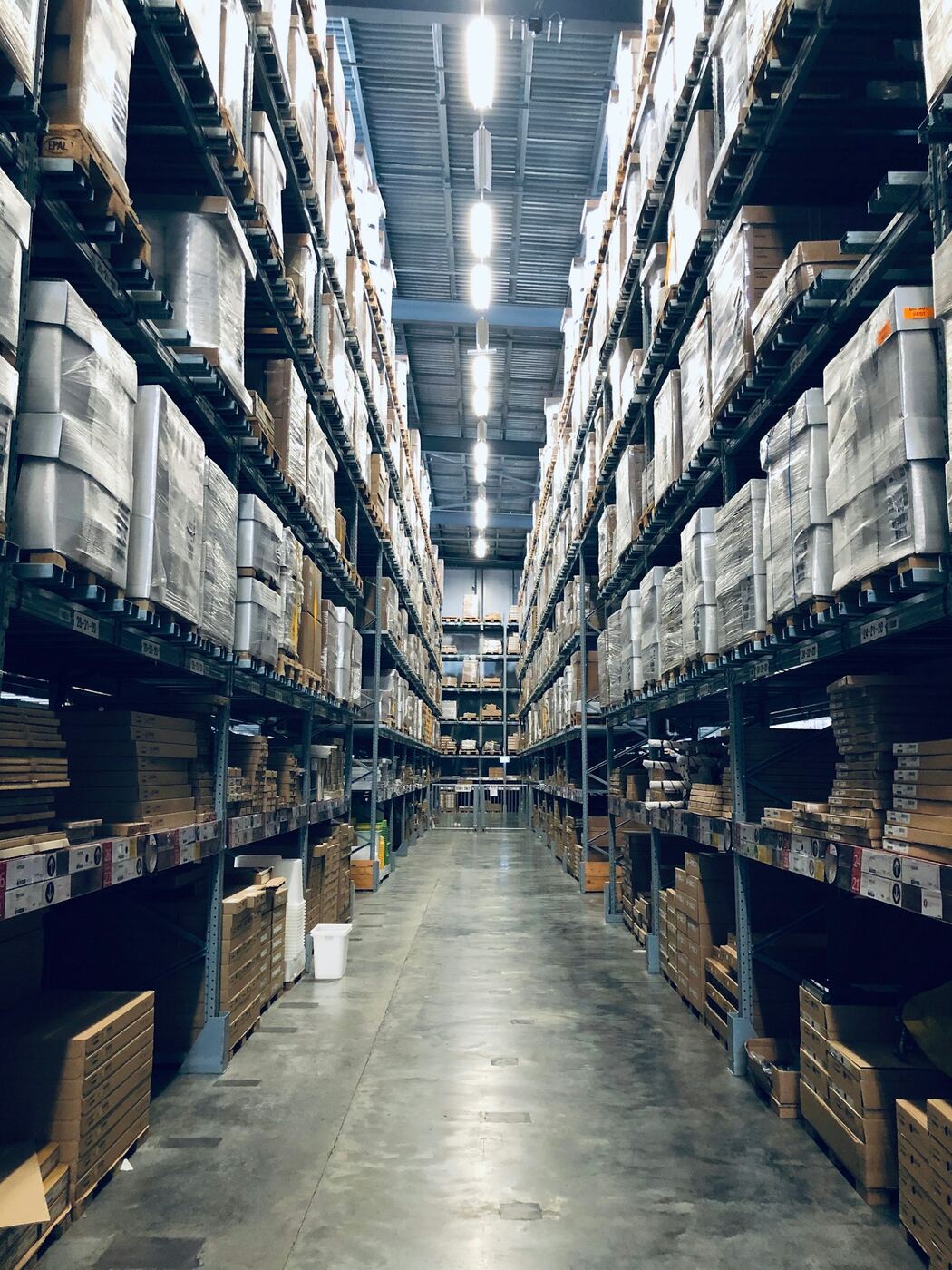
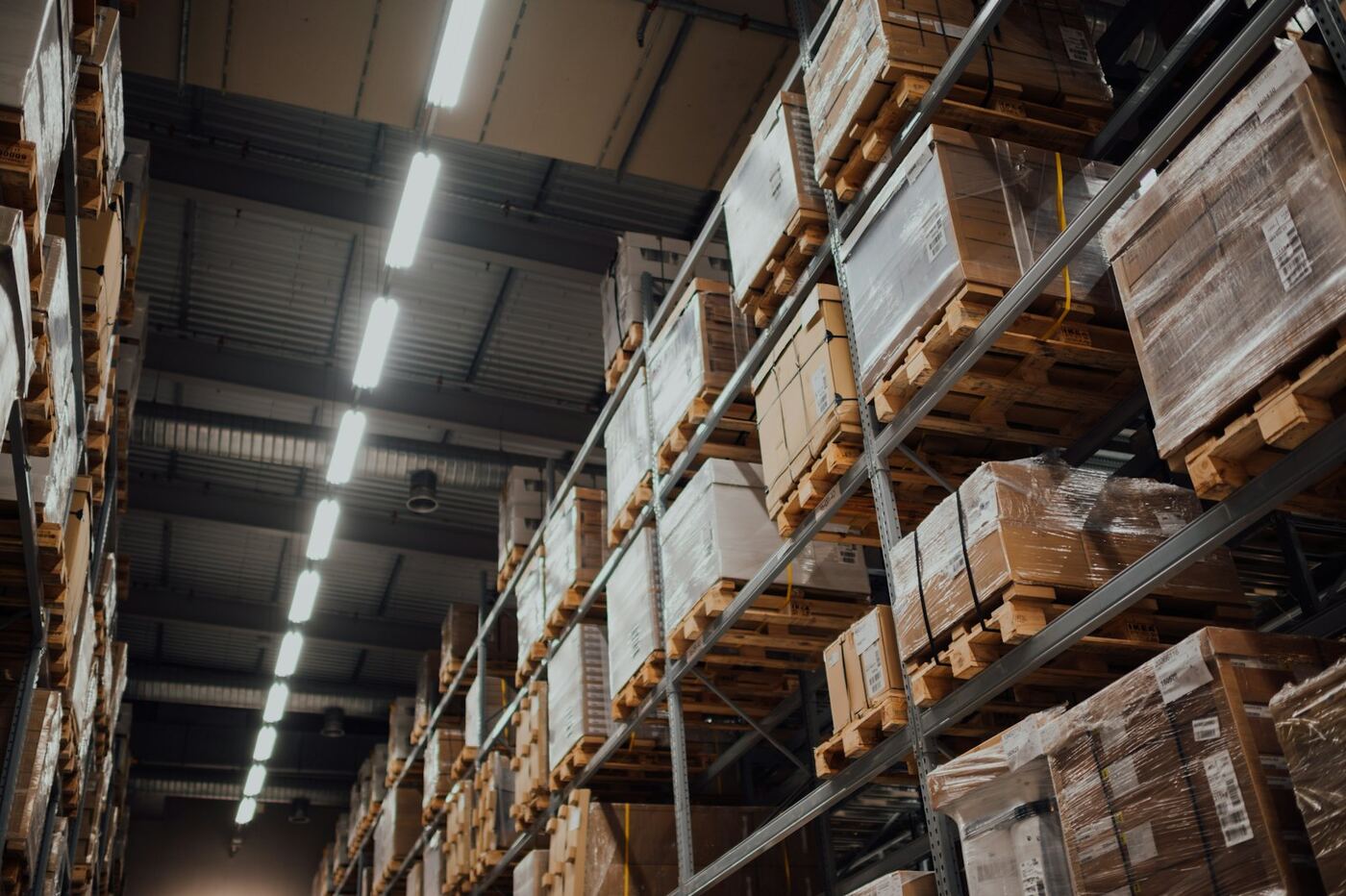
In a hybrid model, the upstream warehouse acts as a buffer. Containers from suppliers are received there, inspected and labeled, and inventory is then sent to Amazon in smaller batches based on demand forecasts and capacity limits. This reduces exposure to FBA storage fees and gives more control over inventory quality.
Amazon offers its own upstream storage service for some marketplaces, and Multi-Channel Fulfillment allows FBA inventory to fulfill orders from other channels. These options can simplify operations but come with their own fees and limitations, so compare them against independent 3PLs on total landed cost.
Location matters. An upstream warehouse close to the ports where goods arrive and to major Amazon fulfillment centers reduces transport costs and transit times. For international sellers, a separate buffer warehouse in each major region may make sense.
Selecting and integrating a 3PL
When evaluating 3PLs, look beyond the rate card. Important factors include experience with Amazon prep and labeling requirements, accuracy rates, receiving times, the ability to handle peak volume, the quality of their warehouse management system and, crucially, API or EDI integration capabilities.
Integration is what makes hybrid fulfillment manageable. Inventory levels, inbound receipts and outbound shipments at the 3PL need to flow automatically into your planning system so that replenishment decisions consider all stock, not just what is at Amazon. Manual spreadsheets between 3PL and FBA are a common source of stock-outs and double shipments.
Start with a trial period and clear service-level agreements covering receiving time, order cutoff times, accuracy and damage handling. Measure performance from the start and review it regularly with the provider.
Where automation adds value in the warehouse
Physical automation, such as conveyors, autonomous mobile robots and automated storage systems, makes sense mainly at high volumes and is usually the 3PL's investment. For most sellers, the more accessible gains come from information automation: making decisions faster and with better data.
Examples include automatic creation of FBA inbound shipment plans when projected stock falls below reorder points, automatic allocation of stock between channels based on forecast demand, alerts when 3PL receipts do not match purchase orders, and daily reconciliation of inventory across all locations.
AI can also support quality and exception management, for example by detecting unusual patterns in returns that indicate a product defect, or by identifying SKUs whose storage costs exceed their contribution margin and recommending removal or liquidation.
Building toward an integrated operation
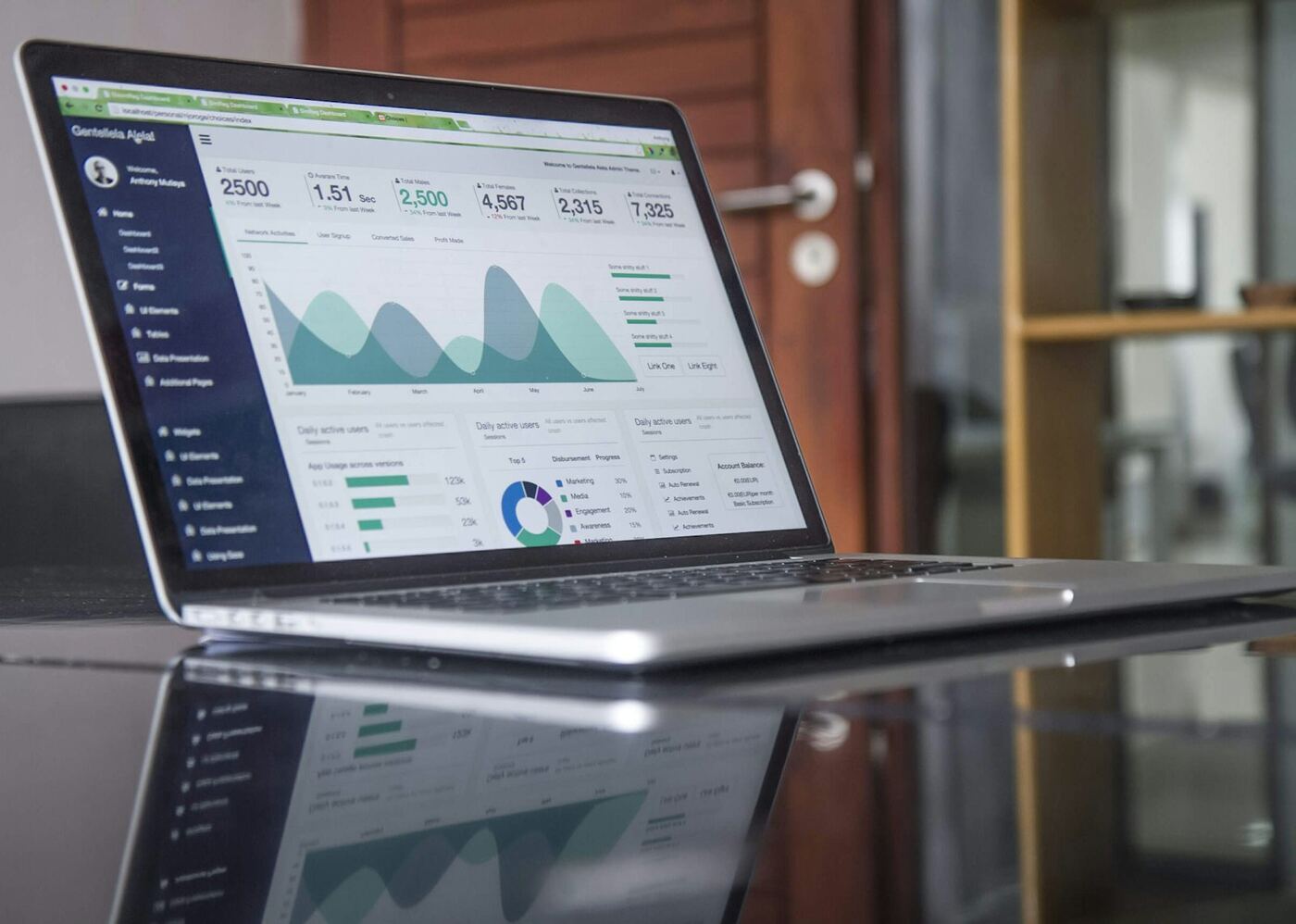
The goal is a single, accurate view of inventory across FBA, 3PLs and your own warehouse, with replenishment and allocation decisions driven by forecasts rather than habit. Achieving this usually happens in stages: first consolidate data, then automate reporting and alerts, and finally automate routine decisions within guardrails.
Measure progress with operational metrics such as in-stock rate on Amazon, total days of inventory, storage and fulfillment costs as a share of revenue, and the time your team spends on logistics coordination.
KeyCenter's inventory agent is designed to manage stock across FBA, 3PL and own warehouses in a single view, and our Enterprise plan supports WMS and ERP integration. The underlying principle is universal: inventory is your largest working capital investment, and it deserves accurate data and disciplined, automated processes.
See how much of your operation AI can take over
Book a free consultation. We will map your workflows, estimate the hours and margin automation can typically recover, and recommend the right agents — with no obligation.